
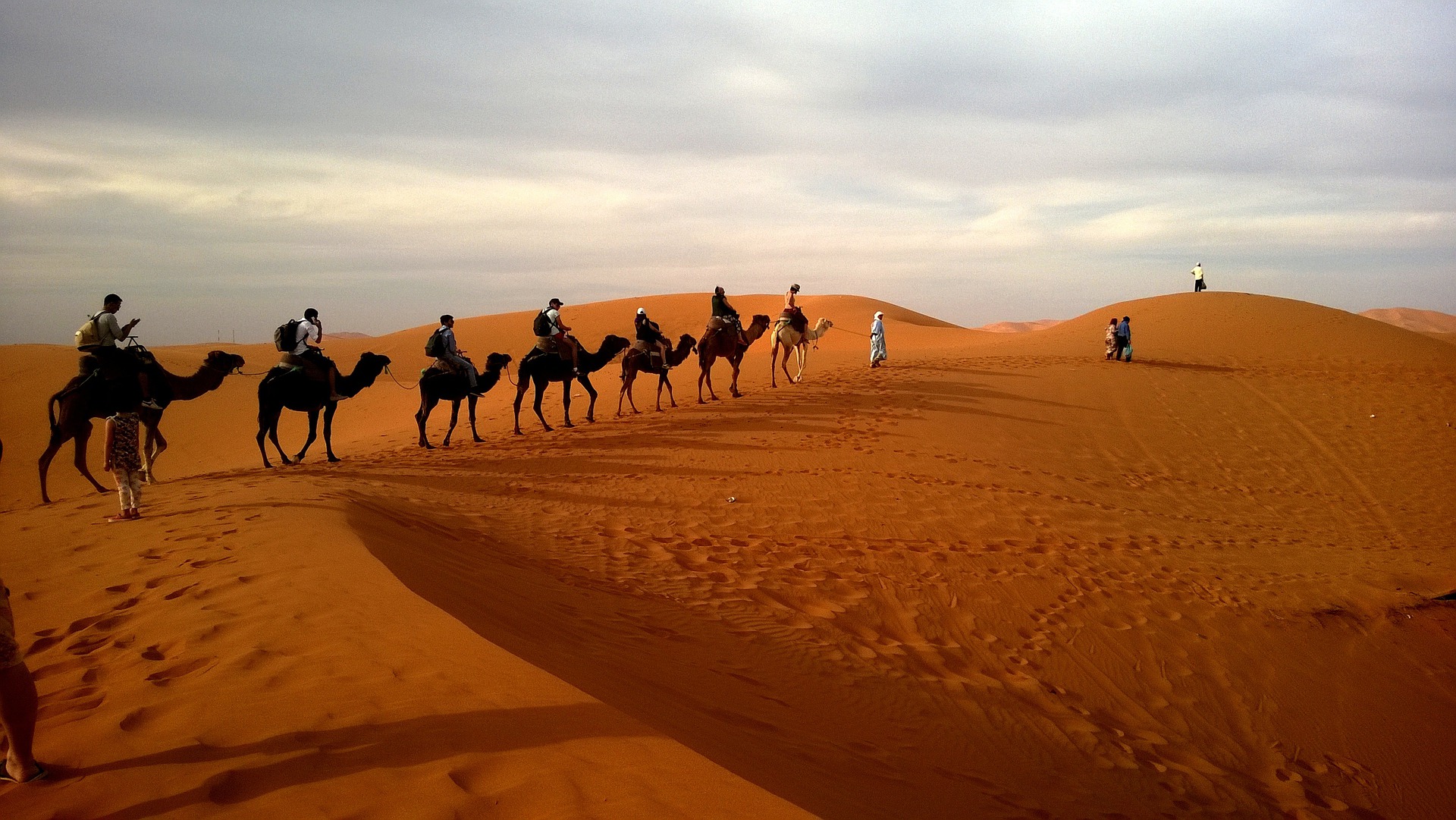


Jaisalmer shows up on a lot of college trip shortlists, and it's easy to see why. It's got history built into every wall of the fort, a landscape unlike anywhere else in India, and enough outdoor activity packed into a few days to keep a group of twenty or thirty students entertained without anyone getting bored by day two. But a Jaisalmer college trip runs on different rules than a family holiday. Budget matters more, group logistics get complicated fast, and whoever's organizing needs the whole thing to run smoothly without much room for error. Here's how to actually plan a budget-friendly Jaisalmer college trip, using Western Desert Luxury Camp & Resort as a base for the desert leg.
Why a Jaisalmer Student Trip Works Well for Groups
Most college trips need a destination that offers variety without a huge budget to unlock it. Jaisalmer checks that box in a way few places do, which is exactly why a Jaisalmer student trip keeps showing up on so many itineraries. The fort and old city give you a full day of walking, history, and photography without spending much at all. The desert side, camel safaris, jeep safaris, a night at camp under a clear sky, adds the adventure factor that keeps a group of twenty-something-year-olds engaged, and it lends itself to the kind of shared experience a batch remembers long after the trip ends.
Getting a Group There Without the Logistics Falling Apart
Group travel changes the calculus on how you get here. A private bus booked in advance is usually the most practical option for a group larger than fifteen, since it keeps everyone together and can leave straight from campus in the evening, arriving in Jaisalmer by morning. Smaller groups often book a full train coach or a block of seats instead, provided it's done early enough that everyone gets confirmed berths in the same compartment.
Either way, the golden rule for student trips is to book well ahead. Jaisalmer's capacity toward the desert isn't unlimited, and during winter, when most college trips happen anyway, seats fill up fast. Waiting until a month out usually means a scattered group across coaches or a pricier last-minute bus.
Building a Pocket Friendly Jaisalmer Tour Package
Student trips live and die by the per-head cost, so the itinerary needs to be built around a number, not the other way around. Group bookings help more than almost anything else here. Desert camps and hotels regularly offer discounted per-person rates for groups above a certain size, and the same goes for camel and jeep safaris, where a batch of twenty gets a noticeably better rate than twenty individual bookings would.
A shared dormitory-style stay or group camp setup, rather than individual rooms, is where most of the real savings come from on an affordable Jaisalmer trip. It's also part of the experience students actually want, a shared camp with a bonfire and group dinner tends to be remembered more fondly than a private room ever would be. Looking through a few different tour packages upfront helps pin down a genuinely pocket friendly Jaisalmer tour package before locking in dates.
A Sample 3-Night Itinerary for a Jaisalmer College Trip
Day 1: Arrive in Jaisalmer by morning train or overnight bus, check into camp, rest through the afternoon, and spend the evening exploring the local market.
Day 2: A full day at Jaisalmer Fort and the havelis, followed by sunset at Gadisar Lake.
Day 3: Head to the Sam Sand Dunes for a camel safari at sunset, then a group dinner and bonfire at camp, with a cultural evening of folk music most groups end up joining in on.
Day 4: A morning jeep safari through quieter dune stretches, followed by the journey back.
Three nights hits a decent balance for most college trips, long enough for the fort, the desert, and a proper camp night, without stretching the budget too far.
Keeping a Large Group Safe and Organized
Anyone who's organized a trip for a large batch knows the real challenge isn't the destination, it's keeping everyone accounted for. Splitting a large group into smaller teams of five or six, each with a point person, makes headcounts far easier than tracking thirty people individually. Fixed meeting times and points, rather than loose "whenever you're ready" plans, save a surprising amount of stress at the fort or the market, where it's easy for a group to scatter. Picking a camp used to handling groups, rather than one built mainly for couples or families, also means smoother check-ins and staff who already know how to manage a batch this size.
What to Actually Plan for on the Desert Night
The desert camp night is usually the part students remember most, so it's worth not rushing through it. A late afternoon camel safari timed for sunset, followed by a group dinner and bonfire with local folk performers, gives the trip its centerpiece moment. Leaving unstructured time afterward tends to work better than packing the evening with plans, since the best memories usually come from the parts nobody planned, a group singing along with the musicians, or just lying back and looking at a sky far clearer than anything back in the city.
When to Plan an Affordable Jaisalmer Trip
October through March is the window that makes sense for a student trip, both for comfort and for the outdoor time it opens up. Temperatures stay manageable through the day and drop enough at night to make the campfire genuinely enjoyable rather than something to endure. December and January get busy fast given how many college trips land in that window, so booking a couple of months ahead avoids scrambling later.
Frequently Asked Questions
1. What is the best time of year for a college trip to Jaisalmer?
October through March offers the most comfortable weather, with manageable daytime temperatures and cool desert nights that suit camping well. December and January are the busiest months for student groups, so booking accommodation and transport a couple of months ahead helps avoid last-minute availability issues.
2. How should a large student group travel to Jaisalmer?
A private bus booked in advance works best for groups above fifteen, since it keeps everyone together and can depart directly from campus in the evening, arriving by morning. Smaller groups often book a full train coach or a block of confirmed berths, arranged early during peak season.
3. Where does the train arrive in Jaisalmer, and what are typical timings?
Trains arrive at Jaisalmer Railway Station (station code JSM), a small terminus mainly connected to Jodhpur, Bikaner, and Delhi. Most services, including the Runicha and Ranikhet Express, arrive in the early morning between 5 AM and 11 AM, which works well for a group planning to start sightseeing the same day.
4. Where is the bus stand for groups arriving by road?
Jaisalmer's main bus stand sits on Airforce Road, close to the town center, with both government and private buses stopping there. Groups coming from Jodhpur (around 5-6 hours) or Jaipur (roughly 10-12 hours) typically arrive by morning if the bus departs the previous evening.
5. Can a group hire cars or a bus locally for sightseeing within Jaisalmer?
Yes, most camps and hotels can arrange a local bus or a set of cars for group sightseeing, usually covering the fort, havelis, Gadisar Lake, and the drive out to Sam Sand Dunes. Booking this through the accommodation directly is usually simpler than arranging it separately once the group has arrived.
6. How can we keep costs low for a large student group?
Group rates on accommodation, meals, and safaris bring the per-head cost down significantly compared to individual bookings, especially for groups above fifteen or twenty. Choosing a shared camp stay over individual rooms, and locking in the trip a couple of months ahead of peak season, are the two biggest ways to plan a genuinely affordable Jaisalmer trip.
7. Is Jaisalmer safe for a large student or school group?
Yes, Jaisalmer sees student groups regularly, especially during the winter season, and most camps and tour operators are used to managing large batches. Splitting the group into smaller teams with a point person each, and setting fixed meeting times at the fort, market, and camp, makes it far easier to keep everyone accounted for.