
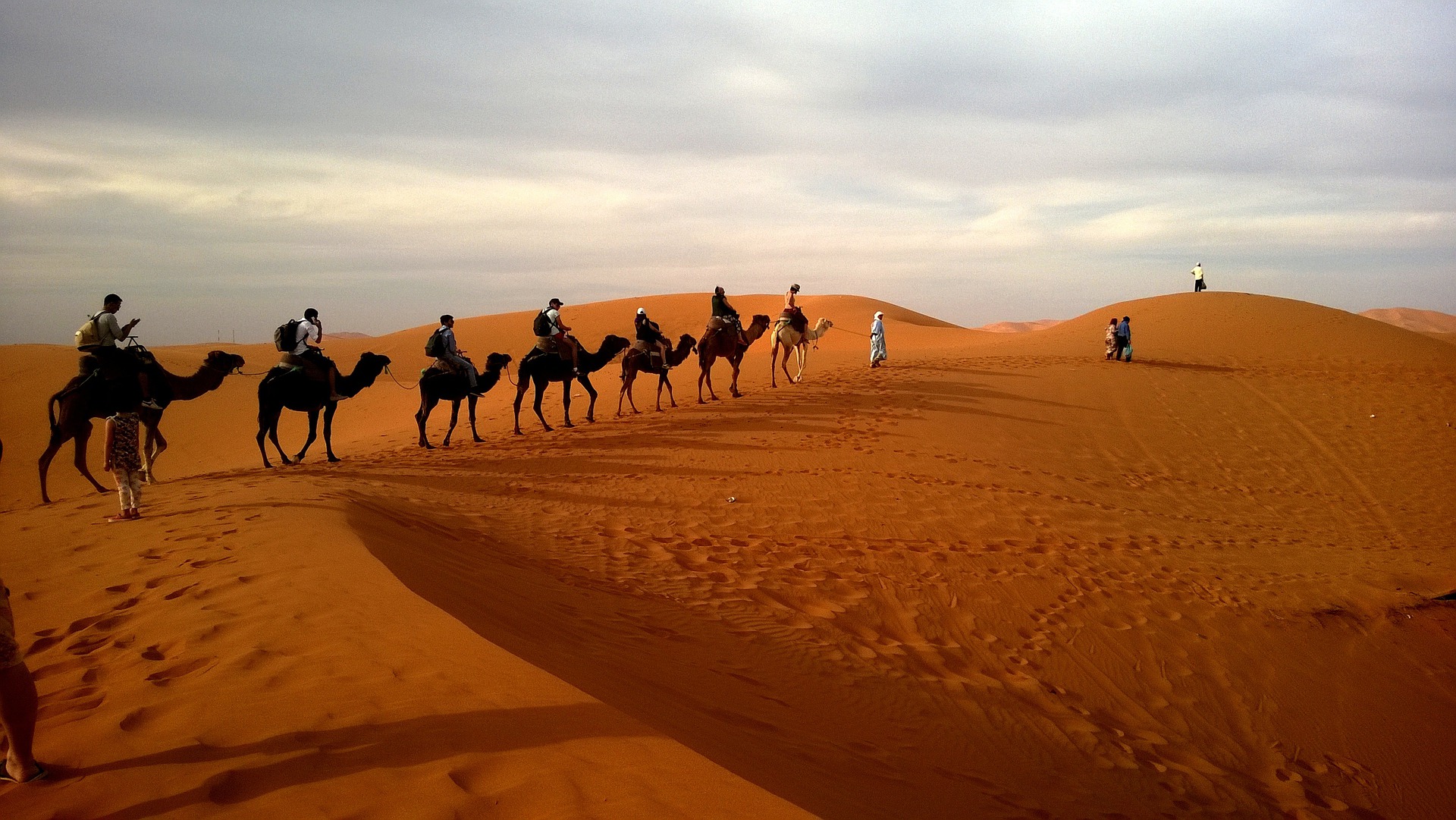


There's a moment, about ten seconds after your feet leave the sand, when the noise of the propeller behind you stops feeling loud and starts feeling like background music. Below you, the dunes stretch out in long amber ridges, and Jaisalmer's fort looks like a sandcastle someone left out in the sun for eight hundred years. That's paramotoring over the Thar Desert, and it's quietly become one of the reasons people plan an entire trip around Jaisalmer rather than just passing through on the way to Jodhpur.
If you've been searching for paramotoring in Jaisalmer or comparing it against parasailing options, this guide covers what it actually costs, where it happens, when to book, and what to expect once you're strapped in.
Paramotoring vs. Parasailing in Jaisalmer: They're Not the Same Thing
People use these terms interchangeably online, and that causes a fair bit of confusion when booking.
Paramotoring is powered flight. You wear a motor and propeller strapped to your back (or sit in front of a pilot who does), take off from flat ground under your own thrust, and fly wherever the pilot steers, usually a loop over the dunes lasting anywhere from 10 to 25 minutes. You control altitude and direction. It's genuinely flying, not just floating.
Parasailing is different. It's usually a tandem experience where you're towed, either behind a vehicle or occasionally with a stationary winch setup, and you glide passively on the wind current the tow generates. There's no engine strapped to you, less control, and typically a shorter, gentler ride.
In Jaisalmer specifically, most operators run paramotoring and parasailing as a combined activity slot near Sam Sand Dunes, since the flat open dune stretches work for both. If you search for a Jaisalmer parasailing package, chances are the same operator can also get you into a paramotor flight, and it's worth asking which one actually suits what you want. First-timers who want a real adrenaline hit with some control over the flight tend to prefer paramotoring. People who want something calmer, maybe with kids or nervous flyers in the group, lean toward parasailing.
Why Jaisalmer Is Actually Good for This
Not every desert works for aerial sports. Jaisalmer happens to check most of the boxes that matter:
- Flat, open terrain. The dunes near Sam and Khuri give pilots long, obstruction-free runways for takeoff and landing, which matters more than people realize for safety.
- Predictable wind patterns. Desert thermals in the late afternoon create manageable, consistent lift, which is part of why most flights happen in a specific evening window rather than any time of day.
- The view itself. Flying over sand dunes at golden hour, with the fort visible in the distance, is a genuinely different experience from paragliding over hills or coastline. There's a stark, uncluttered quality to it that people who've done both keep mentioning.
- Established infrastructure. Because desert tourism here is mature, most operators near Sam have handled thousands of flights, which shows in how organized the pre-flight briefing and gear checks tend to be.
Where the Action Happens
Nearly all paramotoring and parasailing in Jaisalmer takes place around the dune belt west of the city, primarily near Sam Sand Dunes, with Khuri as a quieter secondary spot. If you're staying at a property with its own activity setup, like the paramotoring and parasailing slots run through Western Luxury Resort Jaisalmer, the takeoff point is often a short walk or drive from your tent, which saves you the hassle of arranging separate transport for the activity.
Location matters more than people expect. A flight that launches directly from your resort's dune access means you're not burning half your evening in transit, and you get first pick of the best light for photos, since you're not queuing behind groups arriving from further away.
Best Time of Day (and Year) to Fly
Timing genuinely changes the experience here, not just the photos.
Time of day: Late afternoon into early evening, roughly 4 p.m. to 6:30 p.m., is when most operators fly. Wind conditions are calmer than midday, temperatures have dropped from their peak, and you get sunset light for at least part of the flight. Morning slots exist at some operators too, generally around 6:30 to 8 a.m., and tend to have the calmest wind of the day if you'd rather avoid the evening crowd.
Time of year: October through March is peak season, when daytime and evening temperatures are manageable and wind conditions stay consistent. December and January are busiest, so book ahead if you're traveling then. Summer flights (April to June) are usually suspended or heavily restricted, both because of extreme heat and unpredictable wind gusts that make safe flying harder. If you're planning a trip specifically around this activity, shoulder months like October, November, and March offer a good balance of decent weather and thinner crowds.
Weather can override all of this on short notice. Wind speed above a certain threshold grounds flights entirely, and operators will tell you this on the day rather than promising a flight regardless of conditions. That's a good sign, honestly. An operator willing to cancel for safety is one you want flying you in the first place.
What a Paramotoring Flight Actually Involves
For anyone who's never done it, the sequence usually goes like this.
Briefing and gear check. Before anything happens, you'll get a safety briefing, harness fitting, and a rundown of hand signals or communication with the pilot if you're flying tandem. This takes 10 to 15 minutes and isn't something worth rushing through.
Takeoff. You run a short distance across flat sand with the motor building thrust behind you, and then you're airborne, usually within seconds. It's less dramatic than it sounds. Most people describe it as smoother than they expected.
The flight itself. Depending on the package, you'll be up for 10 to 25 minutes, gaining altitude over the dunes, sometimes banking to follow the ridgeline or circle back toward the fort in the distance. Pilots generally keep well within comfortable limits unless you specifically ask for a more aggressive flight.
Landing. A gentle touchdown on open sand, usually far softer than the takeoff run made it seem it would be.
Photos and video are typically included or available as an add-on, either shot from a GoPro mounted on the pilot's rig or handled by ground staff. Worth confirming this before you book if it matters to you, since not every package includes it by default.
Pricing: What to Expect
Costs vary depending on flight duration, operator, and whether you're booking through a resort package or an independent adventure sports operator.
- Short tandem paramotor flights (around 10 minutes): Roughly Rs. 3,500–5,000
- Standard flights (15–20 minutes): Roughly Rs. 5,000–8,000
- Extended or sunset-specific flights (20–25+ minutes): Rs. 8,000 and upward
- Parasailing (tandem, shorter duration): Generally cheaper than paramotoring, often in the Rs. 2,000–4,000 range depending on the operator and flight length
Prices climb during peak season (December to January) and around specific festival dates, so locking in a booking a few weeks ahead is worth it if you're traveling then. Package deals that bundle a desert camp stay with an activity slot, like the setup through Western Luxury Resort Jaisalmer's paramotoring and parasailing activity page, often work out better value than booking accommodation and the flight separately, since you're not paying for duplicate transport or coordination.
Booking Tips That Actually Matter
A few things worth knowing before you commit to a slot:
Book a day or two ahead in peak season. Evening slots fill fast between December and February, especially the golden-hour window everyone wants.
Check weight and age restrictions. Most operators have a minimum age (commonly 12 years) and a maximum weight limit for tandem flights, typically somewhere around 90–100 kg. Confirm this directly rather than assuming.
Ask about cancellation policy for weather. Since wind conditions can ground a flight on short notice, a good operator will offer a reschedule rather than a flat refund policy that leaves you stranded.
Dress for wind and sun. Closed shoes, something that won't fly off in the wind, and sunglasses that stay put. It gets breezy up there even when the ground feels still.
Don't eat a heavy meal right before. Not a hard rule, but most pilots will quietly suggest it, and it's good advice.
Is It Worth It?
I'll be direct about this one: yes, if flying at all appeals to you even a little. It's not cheap compared to a camel ride or a jeep safari, but it's also not comparable. Seeing the dune field from above, watching your own shadow trail across the sand while the fort sits gold in the distance, is a different category of experience than anything ground-level offers in Jaisalmer. The one caveat is that it's genuinely weather-dependent, so build a little flexibility into your schedule rather than pinning your entire evening plan on a single flight slot.
For anyone building a full desert itinerary around Sam Sand Dunes, pairing an evening paramotor or parasailing flight with a night in a desert camp makes for one of the more complete versions of a Jaisalmer trip. Fly at golden hour, land as the light drops, and walk straight into dinner and a bonfire with the adrenaline still wearing off. That combination is hard to beat.
Frequently Asked Questions
1. What's the difference between paramotoring and parasailing in Jaisalmer? Paramotoring is powered flight, you or the pilot controls direction and altitude using a motor strapped to the back. Parasailing is passive, you're towed and glide on the resulting lift with far less control over the flight itself. Paramotoring generally gives a stronger sense of actually flying.
2. Is paramotoring in Jaisalmer safe for beginners? Yes, for tandem flights. You fly with a licensed pilot who handles takeoff, steering, and landing, and you'll get a safety briefing and harness check beforehand. No prior flying experience is needed for a standard tandem session.
3. What is the best time of day to go paramotoring near Sam Sand Dunes? Late afternoon into early evening, roughly 4 to 6:30 p.m., is the most popular window since wind conditions are calmer and you get sunset light during the flight. Early morning slots, around 6:30 to 8 a.m., are a quieter alternative with typically the calmest wind of the day.
4. How much does a Jaisalmer parasailing package usually cost? Parasailing tends to run cheaper than paramotoring, generally in the Rs. 2,000–4,000 range depending on flight length and operator. Paramotoring flights start around Rs. 3,500 for short sessions and can go beyond Rs. 8,000 for extended sunset flights.
5. Are there weight or age restrictions for tandem flights? Most operators set a minimum age around 12 years and a maximum weight limit near 90–100 kg for tandem paramotoring or parasailing. These limits vary by operator, so it's worth confirming directly when booking.